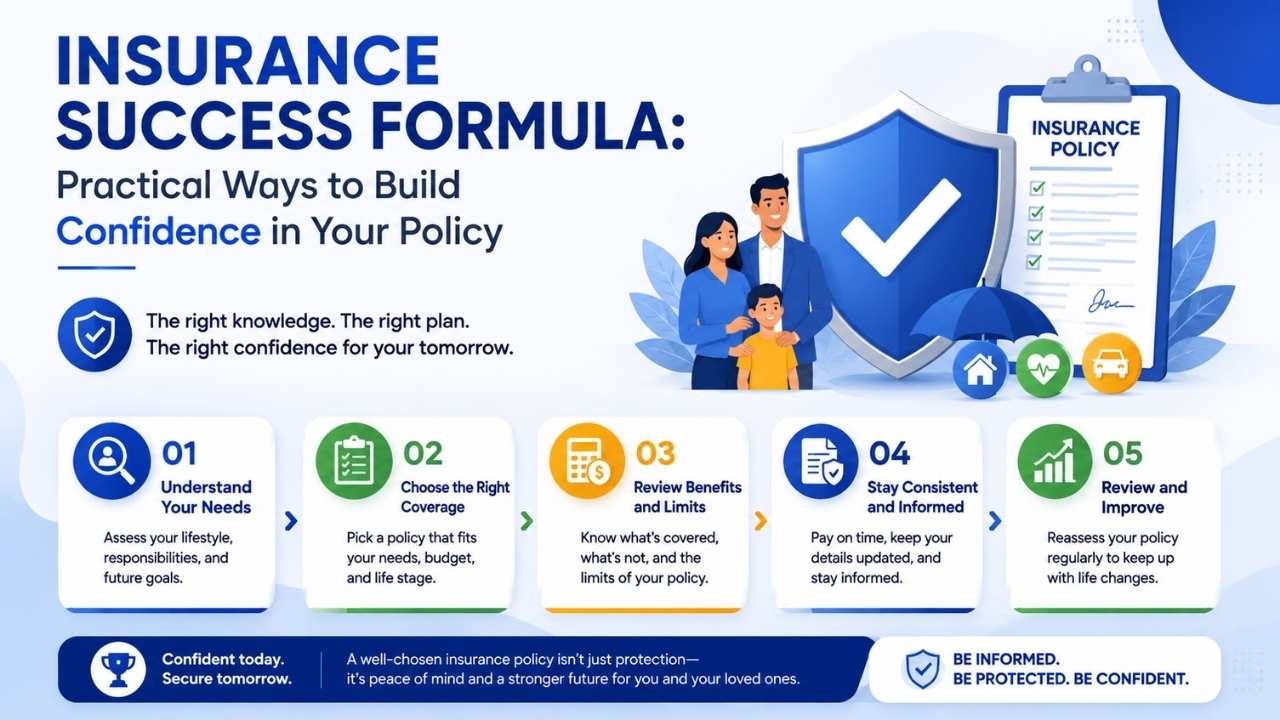
Insurance is meant to provide security, yet many people purchase policies without feeling completely confident about their decisions. Some buy coverage because it is required, while others choose plans quickly without understanding how they actually work. This uncertainty often creates confusion during emergencies when insurance support is needed the most.
Building confidence in your insurance policy is not about purchasing the most expensive plan. It is about understanding your coverage, knowing your rights, and choosing protection that truly supports your lifestyle and financial goals. When you feel informed and prepared, insurance becomes a powerful financial tool instead of just another monthly expense.
A strong insurance strategy helps individuals and families face unexpected situations with less stress and greater financial stability.
Start with a Clear Understanding of Your Needs
The first step toward insurance confidence is understanding what you actually need protection for. Every person’s financial situation is different, which means insurance should never follow a one-size-fits-all approach.
Think carefully about your lifestyle, responsibilities, and future plans. A young professional may focus more on health insurance and income protection, while a parent may prioritize life insurance and family medical coverage.
Consider important factors such as:
- Your monthly income
- Family responsibilities
- Existing loans or debts
- Medical history
- Long-term financial goals
- Current savings
When your insurance choices match your real-life needs, you naturally feel more secure about the policy you choose.
Learn the Basics Before Buying Any Policy
Many insurance buyers feel overwhelmed because of complicated terms and technical language. Instead of skipping the details, take time to understand the basics of how insurance works.
Knowing a few key concepts can make a major difference:
Premium
The premium is the amount you pay regularly to keep your policy active. It may be paid monthly, quarterly, or yearly.
Coverage
Coverage refers to the financial protection offered under the policy. Understanding what is included and excluded is essential.
Deductible
A deductible is the amount you must pay before the insurance company contributes toward a claim.
Claim Settlement
This is the process through which the insurer reviews and pays eligible claims.
Understanding these simple concepts helps reduce confusion and allows you to compare plans more confidently.
Choose Coverage Based on Value, Not Just Cost
One of the biggest mistakes people make is choosing insurance solely based on the lowest premium. While affordable pricing matters, cheap policies often provide limited protection.
A lower-cost plan may include:
- Higher deductibles
- Limited benefits
- More exclusions
- Lower claim limits
- Restricted service networks
Instead of focusing only on price, evaluate the overall value of the policy. Ask yourself whether the coverage would genuinely support you during a serious emergency or financial crisis.
A slightly higher premium can sometimes provide far stronger long-term protection and peace of mind.
Read the Policy Documents Carefully
Many policyholders never fully read their insurance documents. This can create frustration later when claims are denied because of conditions they were unaware of.
Reviewing the policy carefully helps you understand:
- What situations are covered
- What exclusions apply
- Waiting periods
- Renewal conditions
- Claim procedures
- Emergency support services
Pay close attention to exclusions because these are often the most misunderstood part of insurance policies. For example, some health insurance plans may not cover certain pre-existing illnesses during the first few years.
The more familiar you are with your policy details, the more confident you will feel when using your insurance.
Build Trust by Researching the Insurance Company
Confidence in insurance is not only about the policy itself. It also depends on the company behind it. A reliable insurer with strong customer support and a smooth claim process can make a major difference during difficult situations.
Before purchasing a plan, research the insurer’s:
- Claim settlement ratio
- Customer reviews
- Financial reputation
- Service quality
- Response time
A company with a positive reputation often provides better communication and faster assistance when policyholders need support.
Reading real customer experiences can also give valuable insight into how the insurer handles claims and customer concerns.
Keep Your Coverage Updated
Life changes constantly, and your insurance should evolve along with it. A policy that worked well a few years ago may no longer match your current financial responsibilities.
Major life events that may require insurance updates include:
- Marriage
- Having children
- Buying property
- Starting a business
- Career growth
- Retirement planning
Reviewing your policies regularly ensures your coverage stays relevant and effective. Updating beneficiaries and adjusting coverage amounts can prevent future complications.
Regular policy reviews also help you identify gaps in protection before they become serious financial risks.
Understand the Importance of Emergency Preparedness
Insurance works best when combined with proper financial planning. Even with strong coverage, emergencies can involve temporary expenses before claims are processed.
Building an emergency fund alongside your insurance policies creates additional financial confidence. This combination helps you manage deductibles, unexpected bills, or temporary disruptions without panic.
Preparedness also includes keeping important documents organized and accessible. Store policy details, claim contacts, and emergency helpline numbers safely so they can be accessed quickly during stressful situations.
Avoid Emotional or Pressure-Based Decisions
Insurance purchases should always be made carefully and logically. Many people buy unsuitable plans because of emotional marketing, pressure from sales agents, or fear-based advertising.
Take your time before making decisions. Compare multiple policies, ask detailed questions, and understand exactly what you are paying for.
A trustworthy advisor or financial expert can help simplify complex information, but the final decision should always align with your own needs and priorities.
Confidence grows when you feel fully informed rather than pressured into buying quickly.
Develop Long-Term Financial Awareness
Insurance is one part of a larger financial strategy. People who regularly monitor their finances often make stronger insurance decisions because they understand their risks and goals more clearly.
Improving financial awareness includes:
- Tracking expenses
- Managing debt responsibly
- Building savings
- Planning for retirement
- Reviewing investments
When insurance becomes part of a balanced financial plan, it provides greater stability and long-term peace of mind.
Final Thoughts
Building confidence in your insurance policy is not about memorizing complicated terms or purchasing expensive coverage. It is about understanding your needs, choosing reliable protection, and staying informed about your financial future.
The right insurance policy should make you feel secure, prepared, and financially protected during uncertain times. By researching carefully, reviewing policies regularly, and focusing on long-term value instead of short-term savings, you can create an insurance strategy that truly supports your life.
