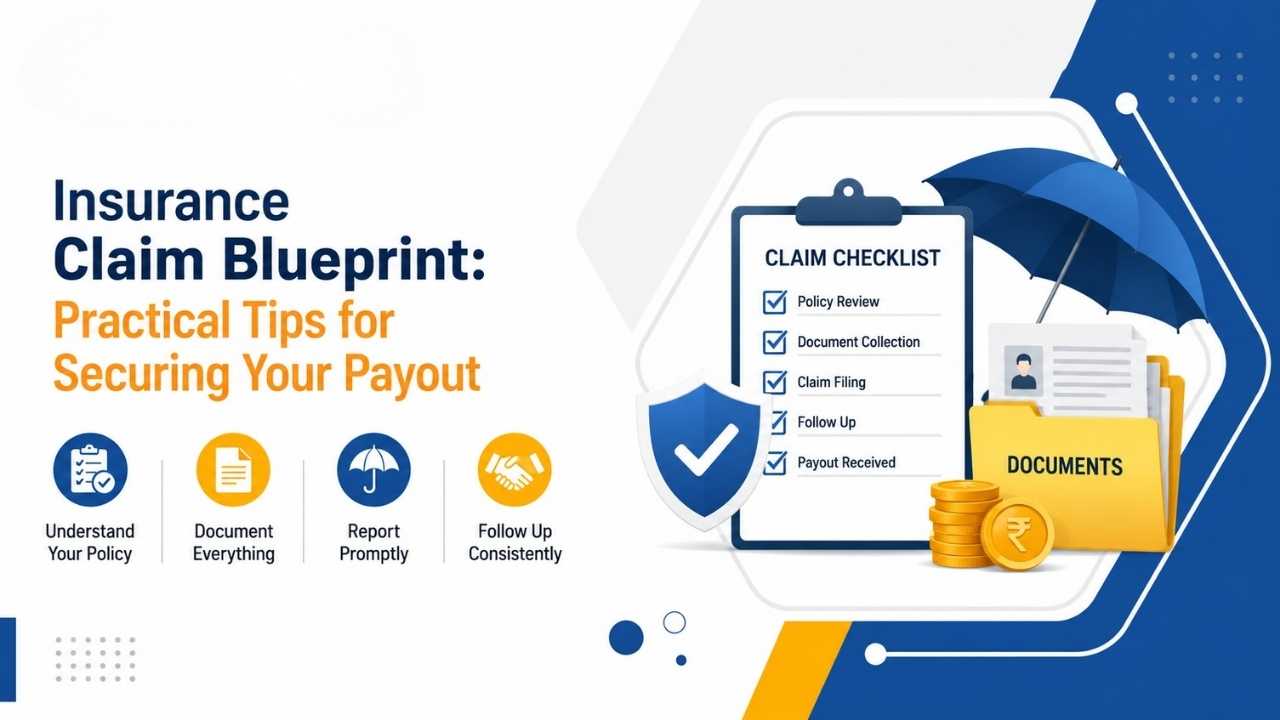
Buying an insurance policy is only one part of financial protection. The real value of insurance becomes clear when it is time to file a claim. Unfortunately, many policyholders face delays, confusion, or even claim rejections because they do not fully understand the process.
Insurance claims can feel stressful, especially during emergencies involving accidents, medical situations, property damage, or financial loss. However, being prepared and informed can make the process smoother and improve your chances of receiving a successful payout.
Understanding how insurance companies evaluate claims helps you avoid common mistakes and gives you more confidence during difficult situations. A smart approach can save both time and money while reducing unnecessary frustration.
Know Your Policy Before You Need It
One of the biggest mistakes people make is waiting until an emergency happens before reading their policy details. During stressful situations, confusion about coverage or claim requirements can create serious delays.
Take time to review your insurance policy carefully after purchasing it. Focus on understanding:
- Coverage limits
- Exclusions
- Deductibles
- Waiting periods
- Required documents
- Claim deadlines
- Emergency contact information
Knowing these details in advance allows you to act quickly and correctly when filing a claim.
For example, some health insurance plans require pre-authorization before hospitalization, while vehicle insurance claims may require immediate accident reporting. Missing these steps could affect the final payout.
Report the Incident as Soon as Possible
Insurance companies usually expect policyholders to report incidents quickly. Delayed reporting may raise questions about the validity of the claim or violate policy conditions.
Whether it is a car accident, medical emergency, theft, or property damage, contact your insurer immediately after the incident occurs.
Provide clear and accurate information, including:
- Date and time of the incident
- Location
- Nature of the damage or loss
- Individuals involved
- Supporting evidence if available
Quick reporting demonstrates responsibility and helps insurers begin the claim process without unnecessary delays.
Keep All Important Documents Organized
Documentation is one of the most important parts of a successful insurance claim. Missing or incomplete paperwork is a common reason claims get delayed or denied.
Depending on the type of insurance, required documents may include:
- Medical reports
- Hospital bills
- Police reports
- Repair estimates
- Photographs of damage
- Identity proof
- Policy documents
- Payment receipts
Keeping digital and physical copies of important records can make the process much easier during emergencies.
Organized documentation also strengthens your claim by providing clear proof of the incident and related expenses.
Be Honest and Accurate in Every Detail
Honesty is essential when filing any insurance claim. Providing false information, exaggerated losses, or incomplete details can lead to claim rejection or legal complications.
Insurance companies often conduct investigations to verify claims. Even small inconsistencies may create suspicion and delay the process.
When speaking with claim representatives:
- Explain events clearly
- Provide accurate timelines
- Share complete information
- Avoid guessing or exaggerating facts
Transparency builds trust and improves the likelihood of a smooth claim settlement.
Understand the Importance of Evidence
Strong evidence supports your claim and helps insurers assess the situation more effectively. Whenever possible, collect proof immediately after the incident.
Useful evidence may include:
- Photos or videos
- Witness statements
- Medical evaluations
- Police reports
- Repair invoices
- Communication records
For vehicle accidents, taking pictures of the scene and visible damage can strengthen your case significantly. In health insurance claims, preserving medical prescriptions and bills is equally important.
The more detailed your evidence, the easier it becomes to justify your payout request.
Follow the Claim Procedure Carefully
Every insurance company has specific claim procedures that policyholders must follow. Ignoring these instructions can create unnecessary complications.
Typical claim steps may include:
- Informing the insurer
- Filling out claim forms
- Submitting required documents
- Undergoing inspections or evaluations
- Waiting for approval and payout
Read the insurer’s instructions carefully and ask questions if anything is unclear.
Submitting forms incorrectly or missing deadlines may slow down the process. Paying attention to details improves efficiency and reduces stress.
Stay in Regular Contact with the Insurance Company
Many people file claims and then wait silently for updates. However, staying engaged throughout the process can help avoid delays.
Keep track of:
- Claim reference numbers
- Submission dates
- Contact details of claim officers
- Requested follow-up documents
Regular communication helps you monitor progress and respond quickly if additional information is needed.
Professional and respectful communication also creates a more positive interaction with claim representatives.
Know the Common Reasons Claims Get Rejected
Understanding why claims are denied can help you avoid costly mistakes. Common reasons include:
- Incomplete documentation
- Delayed reporting
- Policy exclusions
- Expired policies
- False information
- Unpaid premiums
- Unauthorized repairs or treatments
Reviewing your policy terms carefully before filing a claim helps prevent these problems.
If your claim is rejected unfairly, you may have the right to appeal or request a formal review.
Avoid Unnecessary Delays During Emergencies
Emergencies often create panic, which can lead to rushed decisions and mistakes. Staying calm and organized is extremely important during the claim process.
Prepare in advance by:
- Saving emergency contact numbers
- Understanding claim procedures
- Keeping policy documents accessible
- Maintaining updated records
Preparation reduces confusion and helps you respond quickly during stressful situations.
A little planning before emergencies can make a major difference when securing insurance support.
Work with Trusted Service Providers
Insurance claims often involve hospitals, repair centers, contractors, or legal professionals. Working with approved or trusted service providers can simplify the process.
Many insurers maintain networks of authorized hospitals or garages where cashless services and faster approvals are available.
Using trusted providers may help avoid disputes over pricing, quality, or claim eligibility.
Always confirm with your insurer before selecting repair or treatment services.
Review Your Insurance Coverage Regularly
A successful claim experience also depends on having the right coverage in place before problems occur. Outdated or insufficient insurance may leave major expenses uncovered.
Review your policies regularly to ensure they still match your lifestyle and financial responsibilities.
Life changes such as marriage, children, career growth, or purchasing property may require updated coverage limits and policy adjustments.
Regular reviews help strengthen your financial protection and improve future claim experiences.
Final Thoughts
Filing an insurance claim does not have to feel overwhelming or confusing. With the right preparation, accurate documentation, and understanding of policy terms, you can improve your chances of securing a fair and timely payout.
Insurance works best when policyholders stay informed, organized, and proactive. Knowing how the claim process works allows you to handle emergencies with greater confidence and less financial stress.
