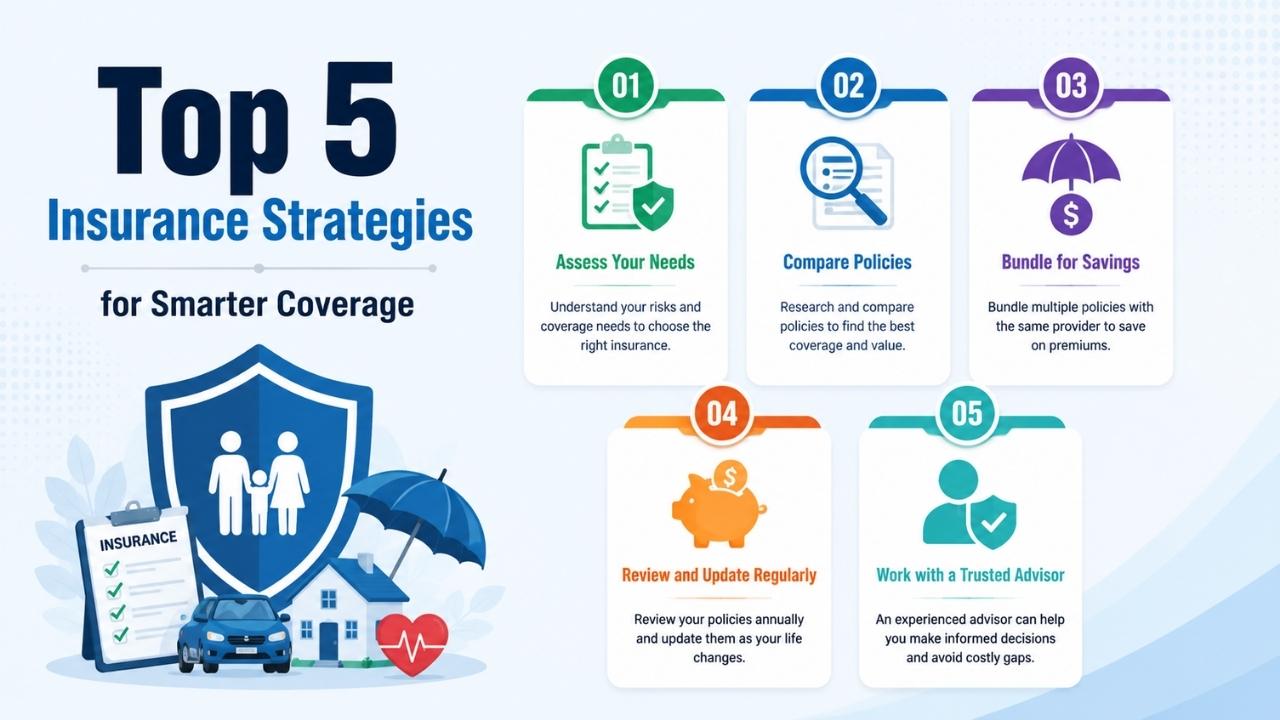
Insurance is no longer just a financial backup plan. In today’s fast-changing world, it has become an essential part of smart financial management. Whether it is protecting your health, home, vehicle, business, or family’s future, the right insurance strategy can save you from unexpected financial stress. However, simply buying a policy is not enough. The real value comes from choosing smarter coverage strategies that provide maximum protection without draining your budget.
Many people either overpay for policies they do not fully understand or end up underinsured when they need help the most. That is why understanding modern insurance strategies is important. With the right approach, you can improve your coverage, reduce risks, and make better financial decisions for the long term.
Understand Your Actual Coverage Needs
One of the biggest mistakes people make while purchasing insurance is buying coverage based on assumptions instead of actual needs. Insurance requirements differ from person to person depending on age, income, family size, lifestyle, and financial goals.
For example, a young professional with no dependents may not need the same life insurance coverage as someone with children and a home loan. Similarly, a person living in an area prone to floods or natural disasters may need additional property protection.
Before selecting any policy, take time to evaluate your risks and financial responsibilities. Consider factors such as medical expenses, future income replacement, debts, education costs, and emergency savings. This helps you avoid paying for unnecessary add-ons while ensuring you are not left financially exposed.
Reviewing your insurance needs annually is also important because life situations change. Marriage, parenthood, career growth, and property investments can all affect the type and amount of coverage you require.
Bundle Policies for Better Savings
One of the smartest insurance strategies today is bundling multiple policies under a single provider. Insurance companies often provide discounts to customers who combine different types of coverage, such as auto, home, health, or life insurance.
Bundling policies not only helps reduce premium costs but also simplifies policy management. Instead of dealing with multiple providers, payment schedules, and customer support teams, you can manage everything through one company.
Another advantage is the possibility of better customer loyalty benefits. Many insurers offer faster claim processing, personalized services, and additional discounts for long-term customers with bundled plans.
However, cheaper pricing should not be the only reason for bundling. Always compare the actual coverage benefits and exclusions before making a decision. Sometimes separate policies from different providers may offer stronger protection even if the cost is slightly higher.
The goal is to balance affordability with comprehensive coverage so that you get real value from your insurance investment.
Focus on Adequate Health Insurance Coverage
Healthcare expenses continue to rise every year, making health insurance one of the most important financial protections today. A basic health plan may not be enough to cover serious medical emergencies, surgeries, or long-term treatments.
Many people choose the cheapest policy available without understanding hospital networks, waiting periods, exclusions, or claim limits. This can create financial difficulties during emergencies.
A smarter approach is to select health insurance that provides both flexibility and sufficient coverage. Look for policies that include cashless hospitalization, preventive health checkups, emergency ambulance services, and critical illness coverage.
If you already have employer-provided insurance, do not rely entirely on it. Job changes, layoffs, or retirement can leave you without medical protection. Having a personal health insurance plan ensures continuity regardless of your employment status.
Family floater plans can also be a cost-effective option for households, especially for young families. These plans allow multiple family members to share a common insured amount, reducing overall premium costs.
Most importantly, buy health insurance early in life. Younger policyholders generally receive lower premiums and face fewer policy restrictions compared to older applicants.
Choose Higher Deductibles Wisely
A deductible is the amount you agree to pay before your insurance coverage starts paying for claims. Many policyholders ignore this feature, but adjusting deductibles can significantly affect premium costs.
Choosing a higher deductible usually lowers your monthly or yearly premium. This strategy works well for individuals who have enough emergency savings to handle smaller claims independently.
For example, if you rarely file claims for minor vehicle repairs or medical expenses, selecting a higher deductible may help you save money over time. Instead of paying higher premiums every year, you retain more control over your finances.
However, this strategy requires careful planning. Never choose a deductible that would create financial pressure during an emergency. The ideal deductible should be affordable enough to manage comfortably without affecting your daily expenses or savings goals.
Balancing premium costs with realistic financial capacity is the key to making deductibles work in your favor.
Review and Update Policies Regularly
Insurance is not something you should buy once and forget forever. Policies that worked well five years ago may no longer provide enough protection today. Inflation, changing lifestyles, rising medical costs, and new financial responsibilities can quickly make old coverage inadequate.
Regular policy reviews help identify gaps in coverage and unnecessary expenses. For example, if you have paid off a major loan, you may need less life insurance coverage than before. On the other hand, purchasing a new home or starting a business may require additional protection.
It is also important to stay informed about new insurance products and policy upgrades. Insurance companies frequently introduce modern features, digital claim processes, wellness benefits, and customized plans that may offer better value than older policies.
Comparing plans from different providers every few years can also help you secure more competitive pricing and improved benefits.
Policy reviews are especially important after major life events such as marriage, childbirth, relocation, retirement, or significant income changes. Updating beneficiaries, contact details, and asset information ensures that your coverage remains accurate and effective.
Final Thoughts
Smart insurance planning is not about buying the most expensive policy or collecting multiple plans without purpose. It is about creating a balanced protection strategy that matches your financial goals, lifestyle, and future responsibilities.
Understanding your real coverage needs, bundling policies carefully, prioritizing health insurance, managing deductibles wisely, and reviewing policies regularly are some of the most effective ways to build stronger financial security.
In a world filled with uncertainties, insurance provides peace of mind and financial stability when unexpected situations arise. The smarter your insurance strategy, the better prepared you will be for both challenges and opportunities in life.
