Legal claims are rarely won by emotion alone. Whether the issue involves a workplace dispute, personal injury, property damage, or contract disagreement, preparation often determines the outcome long before any paperwork reaches a courtroom. A strong claim is built on clarity, documentation, timing, and credibility. Filing too early without proper evidence can weaken your position, while careful preparation can improve your chances of achieving a fair resolution.
Before beginning any formal legal process, it is important to understand how to strengthen your case strategically. Taking the right steps early can protect your interests, reduce unnecessary stress, and help you avoid costly mistakes.
Understanding the Foundation of a Strong Claim
Every legal claim depends on facts. The stronger and more organized those facts are, the more seriously your case is likely to be taken. Many people assume that simply being right is enough, but legal systems rely heavily on proof. Evidence, timelines, communication records, and supporting documents all contribute to building a reliable case.
The first step is identifying the core issue clearly. Ask yourself what exactly happened, who was involved, when it occurred, and how it affected you. These details may seem obvious at first, but vague or inconsistent information can create confusion later.
A strong claim also requires a clear understanding of responsibility. You should be able to explain why another party is legally accountable for the damage, injury, or loss you experienced. This clarity helps shape the direction of your case and prevents unnecessary complications during the filing process.
Collecting Evidence Before It Disappears
One of the most common mistakes people make is waiting too long to gather evidence. Important records can disappear, memories can fade, and witnesses may become difficult to contact over time. The sooner you begin documenting information, the stronger your position becomes.
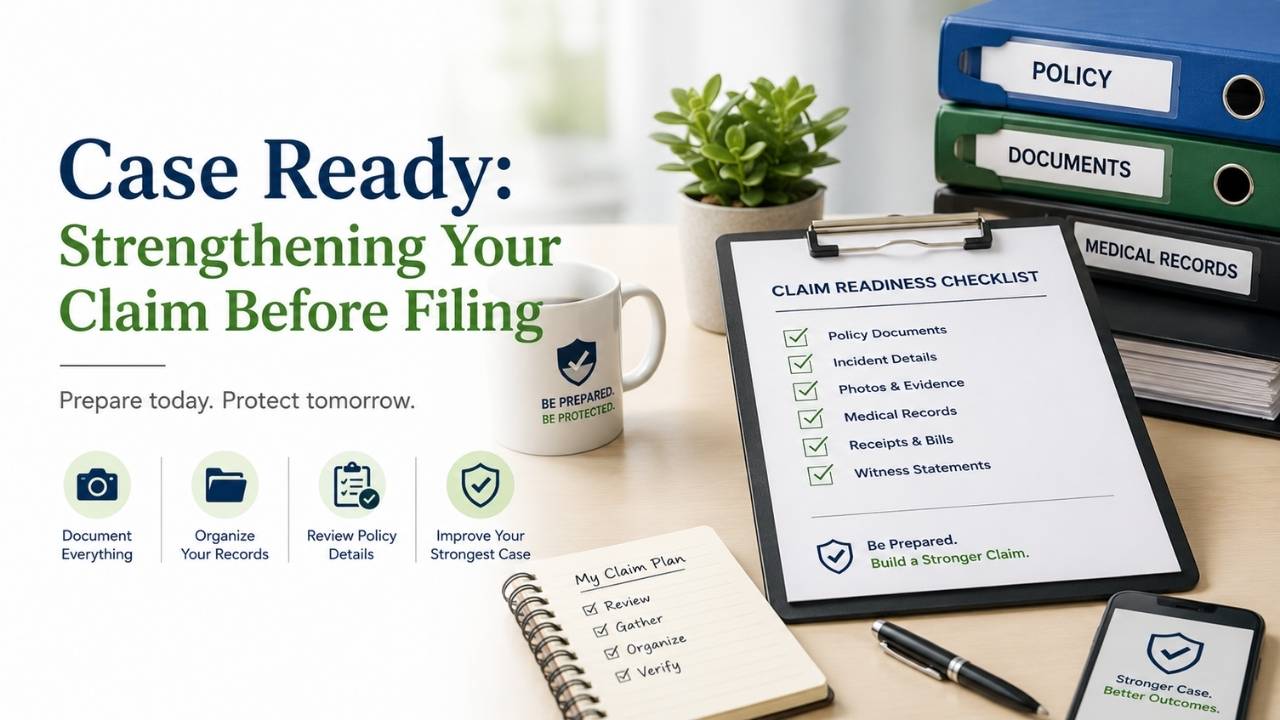
Start by collecting all available documents connected to the issue. This may include emails, text messages, invoices, contracts, photographs, receipts, medical reports, or repair estimates. Organize these materials carefully and store digital copies whenever possible.
Photographs and videos can be especially valuable because they capture details that words often cannot fully explain. If there is physical damage, visible injury, or unsafe conditions involved, visual proof can significantly strengthen your argument.
Witness statements can also add credibility to your claim. If anyone observed the event or situation, their account may help confirm your version of events. Try to collect names and contact information while the details are still fresh.
Keeping Communication Professional and Consistent
Communication plays a major role in legal matters. Many claims become weaker because of emotional messages, public arguments, or inconsistent statements. Even when frustration is understandable, maintaining professionalism is essential.
Avoid sending threatening or aggressive messages to the other party. Instead, keep communication clear, respectful, and focused on facts. Written communication is often preferable because it creates a record that may later support your claim.
Consistency is equally important. Contradicting earlier statements can damage credibility and create opportunities for the opposing side to challenge your case. Review your records carefully before making official statements or signing documents.
Social media activity should also be handled carefully during this period. Posts, comments, or photos can sometimes be used against you, even when they appear unrelated. Limiting unnecessary public discussion about the dispute is usually a wise decision.
Understanding Legal Deadlines and Requirements
Every type of legal claim comes with specific rules and deadlines. Missing an important filing date can prevent your case from moving forward, regardless of how strong your evidence may be.
Research the legal requirements connected to your situation as early as possible. Different jurisdictions often have different procedures, notice periods, and documentation standards. Understanding these requirements in advance helps you avoid preventable errors.
In some situations, there may also be mandatory steps before filing. Mediation, formal notices, insurance reporting, or internal complaint procedures may need to be completed first. Ignoring these steps can delay or weaken your claim.
Staying organized is extremely important during this process. Create a timeline of events, maintain copies of all documents, and record important dates related to meetings, calls, and correspondence. A well-organized file not only helps your legal strategy but also reduces stress during complex situations.
Calculating the Full Impact of Your Loss
Many people underestimate the value of their claim because they focus only on immediate losses. However, legal claims often involve broader financial, emotional, and practical consequences.
For example, a personal injury may involve medical costs, lost income, future treatment expenses, transportation costs, and emotional distress. A business dispute could include financial losses, damaged reputation, or interrupted operations.
Carefully evaluating the full impact of your situation ensures that you do not settle for less than what your case may deserve. Keep records of all expenses and track any continuing effects related to the issue.
Professional evaluations may also help support your claim. Medical experts, repair specialists, financial advisors, or industry professionals can sometimes provide reports that strengthen your position and explain damages more accurately.
Seeking Professional Guidance at the Right Time
While some smaller disputes may be resolved independently, more serious claims often benefit from professional legal advice. Consulting an experienced lawyer early in the process can help you understand risks, legal options, and the strength of your case.
Legal professionals can identify weaknesses that may not be obvious to you. They can also help preserve evidence, prepare documentation, negotiate settlements, and ensure compliance with legal procedures.
Many people delay seeking guidance because they assume legal assistance will be too expensive or unnecessary. However, early advice can sometimes prevent larger financial problems later. Even a single consultation may provide valuable clarity about the best next steps.
It is equally important to choose representation carefully. Look for professionals with relevant experience in the specific area related to your claim. Strong communication, transparency, and practical advice are all signs of reliable legal support.
Preparing Emotionally for the Process
Legal disputes can be emotionally exhausting. Uncertainty, delays, and financial pressure often create frustration and anxiety. Preparing emotionally is just as important as preparing legally.
Patience is necessary because legal matters rarely move quickly. Unexpected delays, negotiations, and procedural requirements are common. Remaining calm and focused helps you make better decisions throughout the process.
Support from trusted friends, family members, or professional counselors can also make a meaningful difference during stressful periods. Emotional stability often improves your ability to communicate clearly and respond thoughtfully under pressure.
Avoid making rushed decisions simply to end the conflict quickly. Some settlements may appear attractive initially but fail to address long-term consequences. Careful consideration is essential before accepting any agreement.
Final Thoughts
Strengthening your claim before filing is not simply about collecting paperwork. It is about building a clear, credible, and organized case that reflects the full reality of your situation. Preparation increases confidence, reduces mistakes, and places you in a stronger position whether the matter is resolved through negotiation, mediation, or court proceedings.
From gathering evidence and maintaining professional communication to understanding deadlines and seeking expert advice, every step contributes to the overall strength of your claim. Taking the time to prepare properly today can significantly influence the outcome tomorrow.
