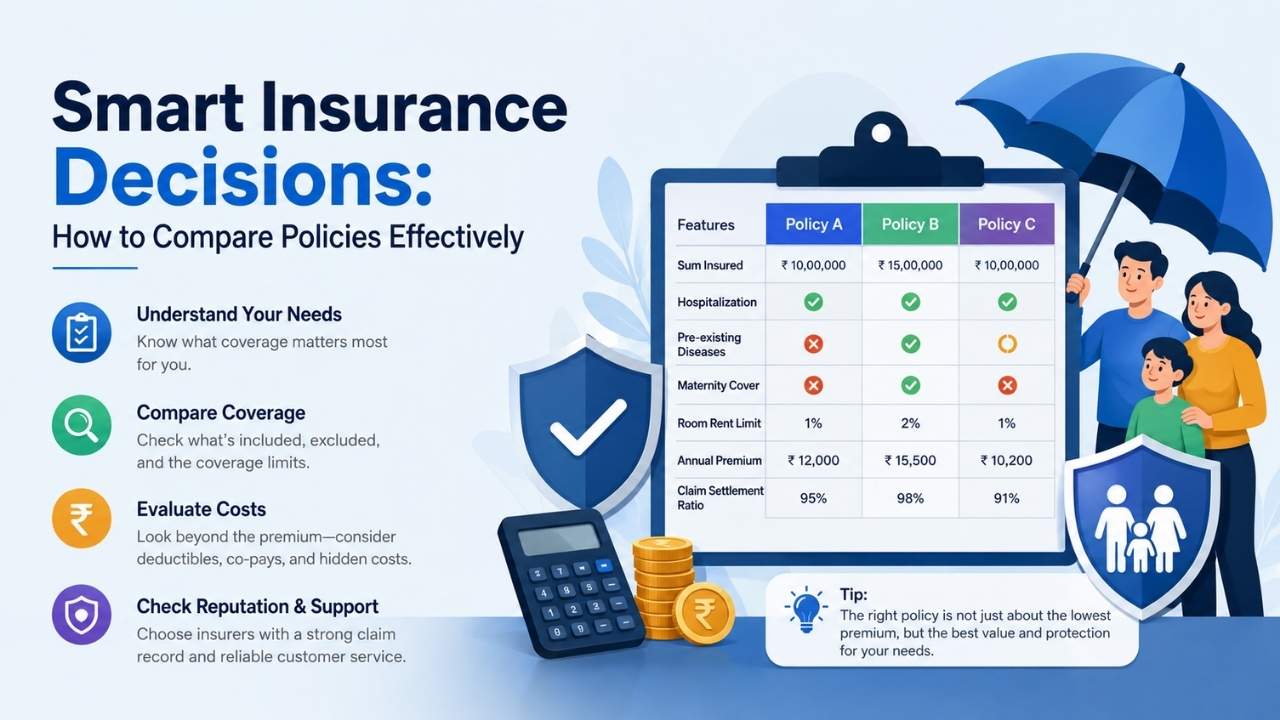
Choosing the right insurance policy is one of the most important financial decisions a person can make. Whether it involves health, life, vehicle, travel, or property insurance, the policy you select can significantly affect your financial security and peace of mind during difficult situations. However, many people purchase insurance without fully understanding what they are paying for, often focusing only on the lowest premium rather than the actual value of the coverage.
With countless insurance providers offering different plans, terms, and pricing structures, comparing policies has become more complex than ever. A smart insurance decision requires careful evaluation, clear understanding, and attention to details that are often overlooked.
Making the right comparison not only helps save money but also ensures that you receive proper protection when you need it most.
Understanding Why Insurance Comparison Matters
Insurance policies may appear similar at first glance, but the differences between them can be substantial. Two policies with nearly identical premiums may offer very different benefits, exclusions, claim procedures, and long-term value.
Many buyers make the mistake of selecting a policy based solely on advertisements or recommendations without examining the actual terms. This can lead to unpleasant surprises during emergencies when certain expenses or damages are not covered.
Comparing policies carefully allows individuals to identify the best balance between affordability and protection. It also helps consumers avoid paying for unnecessary coverage while ensuring they are not underinsured.
A thoughtful comparison process provides confidence and reduces the risk of financial stress during unexpected situations.
Identifying Your Insurance Needs First
Before comparing insurance plans, it is important to understand your specific needs clearly. The right policy for one person may not be suitable for another because financial responsibilities, lifestyles, and risk levels vary significantly.
For example, a young professional may prioritize affordable health coverage and accident protection, while a family with children may focus more on life insurance and long-term medical support.
Vehicle owners may need comprehensive protection based on driving habits and local traffic conditions, while homeowners may require policies that protect against natural disasters or theft.
By identifying your priorities first, you can narrow down options more effectively and avoid confusion during the comparison process.
Looking Beyond the Premium Amount
One of the biggest mistakes people make when buying insurance is choosing the cheapest policy available. While low premiums may seem attractive initially, they can sometimes come with limited coverage, higher deductibles, or complicated claim conditions.
A smart comparison should focus on overall value rather than price alone.
Examine what the policy actually covers, including hospitalization, repairs, replacement costs, liability protection, emergency assistance, or additional benefits. Some slightly higher-priced plans may provide significantly better financial protection during emergencies.
It is also important to check policy limits carefully. A policy with low coverage limits may not be enough to cover major expenses when serious situations occur.
Understanding the relationship between premium costs and actual protection helps buyers make more balanced and informed decisions.
Understanding Deductibles and Out-of-Pocket Costs
Deductibles play a major role in insurance policies, yet many people overlook their importance during comparisons.
A deductible is the amount the policyholder must pay before the insurance company covers the remaining expenses. Policies with lower premiums often come with higher deductibles.
While this arrangement may reduce monthly or yearly costs, it can create financial pressure during emergencies if the deductible amount is too high.
Comparing policies effectively means evaluating whether the deductible is realistic based on your financial situation. A slightly higher premium may sometimes be worthwhile if it reduces out-of-pocket expenses significantly during claims.
Balancing affordability with financial practicality is essential when reviewing insurance options.
Examining Coverage Exclusions Carefully
Insurance exclusions are among the most critical parts of any policy. These exclusions specify situations, conditions, or damages that the insurance provider will not cover.
Many policyholders discover these limitations only after attempting to file a claim.
For example, some health insurance plans may exclude pre-existing conditions, while certain vehicle policies may not cover damage caused by natural disasters or unauthorized drivers.
Travel insurance may contain restrictions related to specific activities, destinations, or medical emergencies.
Reading exclusions carefully helps prevent misunderstandings later. Comparing policies side by side allows buyers to identify which plans offer broader protection and fewer restrictions.
This step is especially important because exclusions can greatly affect the real value of the policy.
Evaluating the Reputation of Insurance Providers
The quality of an insurance policy depends not only on the coverage itself but also on the reliability of the company offering it.
A provider with poor customer service or delayed claim processing can create frustration during already stressful situations.
Researching an insurer’s reputation is therefore an important part of policy comparison. Look for customer reviews, claim settlement ratios, complaint records, and overall market reputation.
Companies with strong financial stability are generally more capable of handling large claim volumes and honoring long-term commitments.
Fast and transparent claim procedures often indicate better customer support and operational efficiency.
Choosing a trustworthy provider increases confidence that assistance will be available when needed most.
Comparing Additional Benefits and Features
Modern insurance policies often include extra features designed to attract customers. These additional benefits can sometimes make a significant difference in overall value.
Health insurance plans may include wellness programs, annual checkups, telemedicine services, or mental health support.
Vehicle insurance may offer roadside assistance, zero depreciation coverage, or emergency towing services.
Life insurance policies may include investment options, accidental death benefits, or flexible payout structures.
When comparing plans, it is important to determine whether these features are genuinely useful for your needs rather than simply attractive marketing additions.
Practical benefits that improve convenience and financial support can increase the long-term value of a policy.
Understanding Claim Processes and Customer Support
An insurance policy is only truly valuable if the claim process is smooth and efficient.
Some companies may offer attractive policies but create difficulties during claims through excessive paperwork, delays, or unclear communication.
Before purchasing a policy, research how claims are handled. Check whether the company offers digital claim services, 24-hour customer support, cashless treatment options, or dedicated assistance teams.
A transparent and user-friendly claim process can save considerable stress during emergencies.
Comparing customer service quality is just as important as comparing premiums and coverage details.
Reviewing Policy Flexibility and Renewal Terms
Insurance needs often change over time due to income growth, family responsibilities, lifestyle changes, or health conditions.
A good insurance policy should provide flexibility to adjust coverage when circumstances change.
Review whether the policy allows upgrades, add-on coverage, or easy renewal procedures.
Some policies may increase premiums significantly after renewal or impose stricter conditions over time. Others may reward long-term customers with discounts or loyalty benefits.
Understanding renewal terms in advance helps avoid future financial surprises.
Flexible policies generally provide better long-term value because they can adapt to changing needs more effectively.
Using Online Comparison Tools Wisely
Digital comparison platforms have made insurance shopping easier than ever. Consumers can now compare multiple policies, premiums, and features within minutes.
While these tools are convenient, they should not replace careful research entirely.
Some comparison websites may prioritize sponsored listings or highlight only selected policy details. It is still important to review official policy documents directly from the insurer before making final decisions.
Online tools work best as a starting point for narrowing options rather than the sole basis for purchasing coverage.
Combining digital research with careful policy reading often leads to better decision-making.
Final Thoughts
Making smart insurance decisions requires more than simply choosing the cheapest or most popular plan. Effective policy comparison involves understanding your personal needs, reviewing coverage details carefully, evaluating exclusions, and researching the reliability of insurance providers.
A well-chosen insurance policy provides financial protection, emotional reassurance, and long-term security during uncertain situations. Taking time to compare options thoughtfully can prevent costly mistakes and ensure that you receive the support you expect when emergencies arise.
As the insurance industry continues evolving with new technologies and products, informed decision-making remains the key to finding policies that truly match your financial goals and lifestyle needs.
