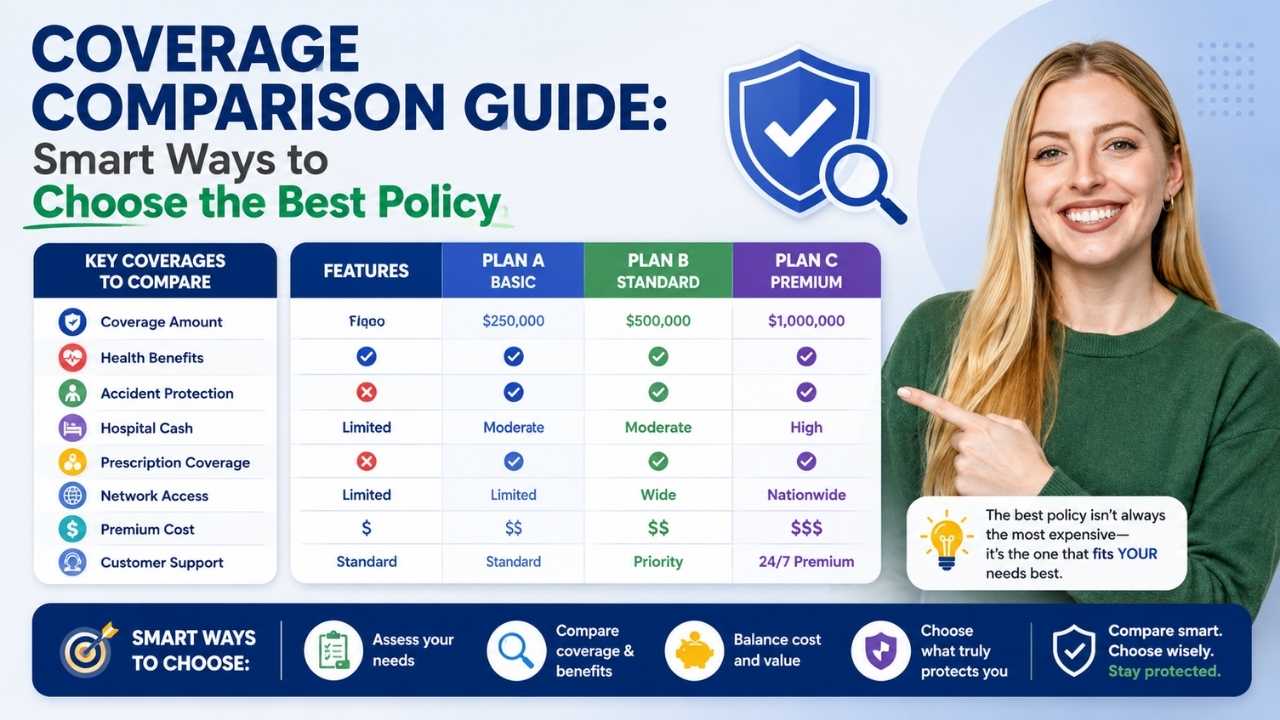
Choosing an insurance policy is one of the most important financial decisions a person can make. Whether it is health insurance, life insurance, vehicle coverage, or home protection, the right policy can provide financial security during difficult times. However, many people buy insurance quickly without comparing options carefully, which often leads to poor coverage or unnecessary expenses.
Insurance policies may look similar at first glance, but small differences in coverage, exclusions, claim procedures, and benefits can have a major impact later. A smart comparison process helps you avoid paying too much while ensuring you receive the protection you truly need.
The goal is not simply to find the cheapest plan. It is to choose a policy that offers reliable support, valuable benefits, and long-term financial confidence.
Start by Understanding Your Insurance Needs
Before comparing policies, you must first understand your personal requirements. Every individual has different financial responsibilities, lifestyles, and future goals. A policy that works for one person may not suit another.
Think about factors such as:
- Your age and income
- Family responsibilities
- Existing medical conditions
- Loans or debts
- Future financial goals
- Lifestyle and daily risks
For example, someone with children may prioritize life insurance and family health coverage, while a young professional may focus more on affordable health and accident protection.
Knowing your priorities makes it easier to compare plans that actually fit your situation.
Compare Coverage Instead of Only Price
Many people choose insurance based only on low premiums. While affordability matters, cheaper plans often provide weaker coverage and limited benefits.
A low-cost policy may include:
- Lower claim limits
- Higher deductibles
- Fewer covered services
- More exclusions
- Limited hospital or repair networks
Instead of focusing only on price, compare the overall value each policy provides. A slightly more expensive plan may offer stronger financial protection and better customer support during emergencies.
The best insurance policy is one that balances cost with meaningful coverage.
Understand What the Policy Covers
Coverage details are one of the most important parts of any insurance comparison. Two policies with similar pricing may provide very different benefits.
When reviewing policies, pay close attention to what situations and expenses are actually covered.
Health Insurance Coverage
Check whether the plan includes:
- Hospitalization expenses
- Emergency treatment
- Surgeries
- Medicines
- Diagnostic tests
- Pre and post-hospitalization care
Life Insurance Coverage
Review:
- Death benefits
- Accidental coverage
- Critical illness riders
- Income replacement options
Vehicle Insurance Coverage
Compare protection for:
- Accidents
- Theft
- Natural disasters
- Third-party liabilities
- Vehicle damage repairs
A clear understanding of coverage helps you avoid unpleasant surprises during claim situations.
Pay Attention to Exclusions
Exclusions are conditions or situations where the insurance company will not provide financial support. Many policyholders overlook this section and later face claim rejections because they were unaware of the limitations.
Common exclusions may include:
- Pre-existing medical conditions
- Cosmetic procedures
- Certain natural disasters
- Negligent driving
- High-risk activities
Always read exclusions carefully before purchasing a policy. Understanding what is not covered is just as important as understanding what is included.
Evaluate the Claim Settlement Process
A good insurance policy should provide support quickly and smoothly during emergencies. This is why the claim settlement process matters so much.
Research how insurers handle claims by checking:
- Claim settlement ratio
- Customer reviews
- Average processing time
- Customer support quality
- Availability of digital claim services
An insurer with excellent customer service and a high claim approval rate often provides a better overall experience, even if premiums are slightly higher.
Fast and transparent claim handling can reduce stress during difficult situations.
Check Deductibles and Co-Payments
Deductibles and co-payments directly affect how much you will pay from your own pocket during a claim.
Deductible
A deductible is the amount you must pay before the insurer contributes toward expenses. Policies with higher deductibles usually have lower premiums.
Co-Payment
A co-payment is a percentage of the claim amount that the policyholder must pay.
When comparing policies, consider whether these costs are manageable for your financial situation. Lower premiums may not always save money if out-of-pocket costs become too high during emergencies.
Look for Additional Benefits and Flexibility
Some insurance plans include useful extra benefits that improve long-term value. These features may not seem important initially but can become highly valuable later.
Examples include:
- No-claim bonuses
- Cashless hospitalization
- Free annual health checkups
- Roadside assistance
- Policy renewal benefits
- Family coverage options
Flexible policies that allow upgrades or additional riders can also adapt better to future life changes.
Comparing these benefits carefully can help you choose a more practical and future-ready policy.
Research the Insurance Company’s Reputation
The company behind the policy is just as important as the policy itself. Reliable insurers usually provide better customer service, clearer communication, and faster claim handling.
Before making a final decision, research the insurer’s:
- Financial strength
- Customer satisfaction
- Market reputation
- Years of experience
- Online reviews
A trusted insurance provider can offer greater peace of mind during stressful situations.
Review Policies Regularly
Insurance needs change as life changes. Marriage, career growth, children, home ownership, or retirement may all require adjustments to your coverage.
Review your policies every year to ensure they still match your financial goals and responsibilities. Regular comparisons also help you identify better plans or pricing available in the market.
Keeping outdated coverage can lead to unnecessary expenses or gaps in financial protection.
Avoid Emotional Buying Decisions
Insurance decisions should be practical and informed, not emotional or rushed. Many people purchase unsuitable policies because of fear-based marketing or pressure from aggressive sales representatives.
Take your time when comparing plans. Read policy details carefully, ask questions, and fully understand the terms before signing any agreement.
A thoughtful decision today can prevent financial difficulties and frustration in the future.
Seek Professional Guidance if Needed
If insurance comparisons feel confusing, consulting a trusted financial advisor can help simplify the process. An experienced advisor can explain technical terms, compare policy structures, and recommend suitable coverage based on your goals.
However, always ensure the advice is unbiased and focused on your needs rather than sales targets.
The more informed you are, the more confident your insurance decisions will become.
Final Thoughts
Comparing insurance policies carefully is one of the smartest ways to protect your financial future. The right policy should provide meaningful coverage, reliable customer support, and long-term value without creating unnecessary financial pressure.
By focusing on coverage quality, exclusions, claim processes, deductibles, and company reputation, you can make informed choices that truly support your lifestyle and responsibilities.
