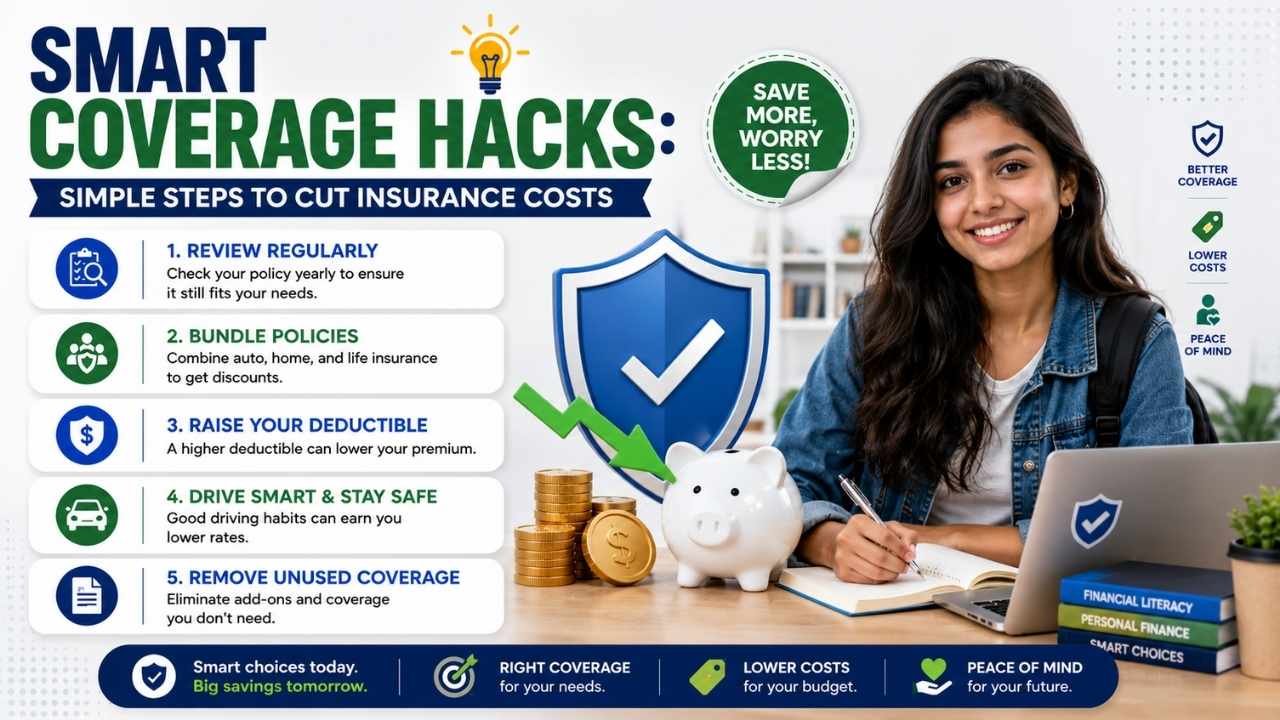
Insurance plays an important role in protecting your health, property, family, and finances. However, many people feel frustrated by rising premiums and increasing monthly expenses. While insurance is essential, paying more than necessary can put pressure on your overall budget.
The good news is that reducing insurance costs does not always mean sacrificing quality coverage. With smarter planning and better understanding of how policies work, it is possible to lower premiums while still maintaining strong financial protection.
Simple adjustments, careful comparisons, and informed decisions can help you save money without leaving yourself vulnerable during emergencies. The key is learning how to balance affordability with reliable coverage.
Understand What You Actually Need
One of the biggest reasons people overspend on insurance is purchasing coverage that does not match their real needs. Many policyholders continue paying for outdated plans or unnecessary add-ons simply because they never review their policies.
Start by evaluating your current situation carefully. Think about:
- Your income and savings
- Family responsibilities
- Existing debts
- Health conditions
- Value of your assets
- Lifestyle habits
For example, a single person with minimal financial obligations may not require the same level of life insurance as someone supporting a family with children. Matching coverage to your actual circumstances prevents unnecessary spending.
Compare Policies Before Renewing
Many people automatically renew their insurance every year without exploring better options. This habit can lead to paying higher premiums even when more affordable alternatives are available.
Insurance companies frequently update their pricing, benefits, and promotional offers. Comparing multiple policies before renewal helps you identify plans that provide better value for money.
When comparing insurance plans, focus on:
- Coverage limits
- Deductibles
- Exclusions
- Claim settlement process
- Customer reviews
- Additional benefits
Do not base your decision only on the cheapest premium. A low-cost policy with poor coverage can become expensive during emergencies.
Increase Your Deductible Carefully
A deductible is the amount you pay from your own pocket before the insurance company starts covering costs. Policies with higher deductibles usually come with lower monthly or yearly premiums.
If you have stable savings and can comfortably handle moderate emergency expenses, increasing your deductible can reduce your insurance costs significantly.
However, this strategy should be used carefully. Choosing an extremely high deductible simply to lower premiums may create financial stress during unexpected situations. The goal is to find a balance that keeps both your premiums and emergency expenses manageable.
Bundle Multiple Insurance Policies
Many insurance companies offer discounts when customers combine multiple policies under one provider. This is commonly known as bundling.
For example, you may receive lower rates by combining:
- Home and vehicle insurance
- Health and life insurance
- Multiple vehicle policies
- Family insurance plans
Bundling can simplify policy management while reducing overall costs. It may also improve customer support since all policies remain connected through a single insurer.
Before bundling, compare the total combined cost with separate policies from different companies to ensure you are genuinely saving money.
Maintain a Healthy Lifestyle
Health and life insurance premiums are often influenced by personal lifestyle choices. Insurance providers generally view healthier individuals as lower-risk customers.
Simple healthy habits can help reduce insurance expenses over time:
- Regular exercise
- Balanced nutrition
- Avoiding smoking
- Limiting alcohol consumption
- Routine medical checkups
- Maintaining a healthy weight
Some insurers even offer wellness rewards, fitness discounts, or reduced premiums for policyholders who actively maintain healthy lifestyles.
Better health not only lowers insurance costs but also improves overall quality of life.
Improve Your Driving Habits
For vehicle insurance, driving behavior has a major impact on premium rates. Drivers with clean records are usually rewarded with lower insurance costs.
To reduce vehicle insurance expenses:
- Avoid traffic violations
- Follow speed limits
- Drive responsibly
- Avoid distracted driving
- Limit unnecessary claims
Many insurance providers also offer discounts for safe driving programs or vehicles equipped with safety features like anti-theft systems and advanced braking technology.
Even small improvements in driving habits can lead to long-term savings.
Remove Unnecessary Add-Ons
Insurance companies often recommend additional features or riders during the purchase process. While some add-ons are useful, others may increase your premium without providing real value.
Review your policy carefully and identify features you truly need. For example:
- Roadside assistance may benefit frequent drivers
- Critical illness coverage may help families with medical history concerns
- Travel protection may only be necessary for regular travelers
Removing unnecessary extras can reduce costs without weakening your essential protection.
Ask About Discounts and Rewards
Many people never realize how many insurance discounts are available. Insurers often provide savings opportunities that policyholders simply forget to ask about.
Possible discounts may include:
- No-claim bonuses
- Loyalty rewards
- Family coverage discounts
- Professional group memberships
- Online purchase discounts
- Safe driver rewards
- Home security system discounts
Speaking directly with your insurer about available savings can sometimes reduce premiums immediately.
Review Policies Every Year
Insurance needs change over time, and reviewing your policies annually helps prevent overpaying for outdated coverage.
Major life changes such as marriage, career growth, relocation, or children can affect the type and amount of insurance you need. Regular reviews allow you to:
- Adjust coverage limits
- Remove unnecessary policies
- Update beneficiaries
- Find better rates
- Identify overlapping coverage
This habit keeps your insurance strategy efficient and cost-effective.
Build an Emergency Fund
People with emergency savings often have greater flexibility in choosing cost-effective insurance options. A healthy emergency fund allows you to handle higher deductibles confidently, which can reduce premium costs.
Financial preparedness also prevents unnecessary claims for smaller expenses. Filing fewer claims may help maintain lower premiums and preserve no-claim bonuses.
Even small monthly contributions toward savings can improve long-term financial security.
Avoid Buying Insurance Under Pressure
Many people make expensive insurance decisions because of aggressive sales tactics or emotional marketing. Fear-based advertising can lead to unnecessary purchases that do not match your actual needs.
Take time to research, compare options, and understand policy details before signing any agreement. A thoughtful decision usually leads to better financial outcomes than rushed purchases.
Insurance should support your financial goals, not create additional stress.
Final Thoughts
Reducing insurance costs does not require sacrificing quality protection. Smart planning, regular reviews, and informed decisions can help you lower premiums while maintaining reliable coverage for yourself and your family.
By understanding your needs, comparing policies carefully, improving healthy habits, and avoiding unnecessary extras, you can create an insurance strategy that balances affordability with security.
