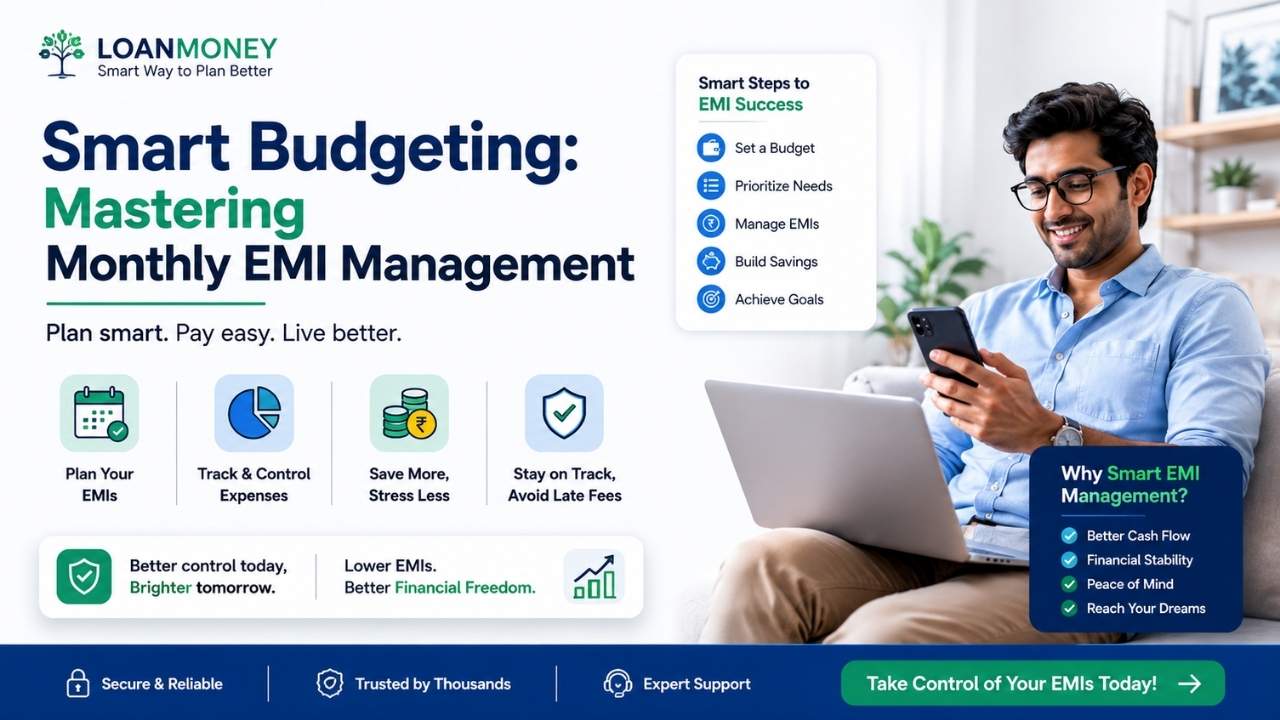
In modern life, loans have become a common part of financial planning. Whether it is a home loan, car loan, education loan, or personal loan, Equated Monthly Installments, commonly known as EMIs, help people afford major purchases without paying the full amount upfront. While EMIs make financial goals more accessible, managing multiple monthly payments can quickly become stressful without proper budgeting.
Many individuals struggle with balancing daily expenses while keeping up with loan repayments. Rising living costs, unexpected emergencies, and poor spending habits often lead to financial pressure. This is why smart budgeting plays a crucial role in maintaining financial stability.
Mastering monthly EMI management is not only about paying loans on time. It is about creating a balanced financial lifestyle where savings, expenses, and debt responsibilities work together smoothly. With the right strategies, individuals can reduce financial stress, avoid unnecessary debt, and achieve long-term financial security.
Understanding the Importance of EMI Management
EMIs are fixed monthly payments made toward repaying a loan over a specific period. Each payment includes both the principal amount and interest charged by the lender.
Although EMIs simplify large purchases, poor planning can lead to financial difficulties. When too much of a monthly income goes toward loan repayments, individuals may struggle to manage essential expenses such as rent, groceries, healthcare, and savings.
Effective EMI management helps maintain financial discipline. It ensures that loan repayments remain manageable without affecting overall quality of life. Proper planning also reduces the risk of late payments, penalties, and damage to credit scores.
A healthy financial structure allows people to meet their obligations comfortably while still preparing for future goals and emergencies.
Creating a Realistic Monthly Budget
The first step toward successful EMI management is building a realistic monthly budget. A budget helps individuals understand how much money comes in and where it goes each month.
Start by calculating total monthly income from all sources. After that, list all fixed expenses such as rent, utility bills, groceries, transportation, insurance, and EMIs.
Once essential expenses are identified, it becomes easier to determine how much money is available for savings and discretionary spending.
A common mistake people make is underestimating small daily expenses. Dining out, online shopping, entertainment subscriptions, and impulsive purchases may seem minor individually, but they can significantly affect monthly budgets.
Tracking spending habits regularly allows individuals to identify unnecessary expenses and make better financial decisions.
Keeping EMI Commitments Within Safe Limits
Financial experts often recommend that total EMI payments should not exceed a certain percentage of monthly income. When loan obligations consume too much income, financial flexibility decreases.
A balanced EMI ratio allows individuals to maintain savings while handling everyday expenses comfortably. Before taking a new loan, it is important to evaluate whether the monthly installment fits within the current budget.
Borrowing beyond one’s repayment capacity can create long-term financial pressure. Many people make the mistake of accepting loans based solely on lender approval without considering their own lifestyle and future financial responsibilities.
Responsible borrowing is one of the key foundations of smart budgeting.
Building an Emergency Fund
Unexpected situations such as medical emergencies, job loss, or urgent repairs can disrupt financial plans. Without emergency savings, individuals may struggle to pay EMIs on time.
An emergency fund acts as a financial safety net during difficult periods. Even a small reserve can help cover EMI payments temporarily while preventing additional debt.
Financial planners often recommend setting aside a portion of monthly income specifically for emergencies. Consistent saving habits gradually create financial security and reduce dependence on credit during unexpected situations.
Having emergency savings also provides peace of mind and greater confidence in managing financial obligations.
Prioritizing High-Interest Loans
Not all loans carry the same interest rates. Credit card debt and personal loans often come with higher interest charges compared to home or education loans.
Prioritizing repayment of high-interest loans can reduce the total amount paid over time. Individuals who focus on clearing expensive debt first often experience faster financial improvement.
One effective strategy is making extra payments whenever possible. Even small additional contributions toward the principal amount can shorten loan tenure and lower overall interest costs.
Reducing debt gradually improves monthly cash flow and creates more room for savings and investments.
Avoiding Unnecessary Borrowing
Easy access to credit cards, digital loans, and instant financing options has encouraged impulsive borrowing. Many people take loans for non-essential purchases without fully considering repayment responsibilities.
While borrowing can be useful for major investments, unnecessary debt often creates financial stress. Before applying for any loan, it is important to ask whether the purchase is truly necessary and whether repayment will remain comfortable in the future.
Smart budgeting involves distinguishing between needs and wants. Delaying unnecessary purchases and focusing on financial priorities helps maintain better control over expenses.
Practicing disciplined spending habits reduces the risk of accumulating excessive debt.
Automating EMI Payments
Missing EMI due dates can result in late fees, increased interest charges, and negative effects on credit scores. Automating monthly payments is a simple but effective way to avoid missed deadlines.
Most banks and financial institutions offer automatic payment options through bank accounts. This ensures that EMIs are paid on time every month without requiring manual effort.
Automation also helps individuals maintain financial discipline and reduces the chances of forgetting important payment dates.
However, it is important to ensure that sufficient funds are available in the account before payment dates to avoid failed transactions.
Improving Financial Discipline Through Lifestyle Changes
Small lifestyle changes can make a significant difference in managing monthly EMIs effectively.
Reducing unnecessary spending, cooking meals at home, limiting luxury purchases, and avoiding impulsive online shopping can help free up additional funds for savings and loan repayments.
Creating financial goals also encourages disciplined behavior. Whether the goal is becoming debt-free, building savings, or purchasing a home, having a clear objective motivates better budgeting habits.
Individuals who consistently monitor their spending and review their financial progress are more likely to stay in control of their finances.
Using Financial Tools and Technology
Technology has made budgeting and EMI management more convenient than ever. Mobile banking apps, budgeting tools, and expense trackers help individuals monitor spending patterns and payment schedules in real time.
Many financial apps also provide reminders for due dates, monthly spending summaries, and savings goals.
Using digital tools improves financial awareness and helps people make informed decisions about borrowing and spending.
These tools can be especially useful for individuals managing multiple loans or balancing family expenses with financial commitments.
Planning for Long-Term Financial Stability
Successful EMI management is not only about handling current loans. It is also about preparing for future financial stability.
Individuals should focus on building savings, investing wisely, and avoiding long-term dependence on debt. As income grows, increasing savings contributions and reducing liabilities can improve overall financial health.
Long-term planning also includes retirement savings, healthcare preparation, and wealth creation. Financial freedom becomes easier to achieve when budgeting habits are developed early and maintained consistently.
Managing EMIs responsibly today creates stronger financial opportunities for tomorrow.
Conclusion
Smart budgeting and effective EMI management are essential for maintaining financial balance in today’s fast-paced world. Loans can support important life goals, but without proper planning, they can also create stress and financial instability.
By creating realistic budgets, controlling unnecessary spending, prioritizing debt repayment, and building emergency savings, individuals can manage monthly EMIs more confidently and responsibly.
Financial discipline does not require extreme sacrifices. Small, consistent efforts often lead to long-term stability and peace of mind.
